MAKE for EDU Projects
The challenges that students will face upon graduation are becoming increasingly complex. As well as requiring a solid background in a core discipline, they demand the ability to work at the intersection of a variety of fields.
MAKE interdisciplinary projects are student-led and involve designing and building a high-fidelity, complex prototype over several years. These projects bring together large, highly interdisciplinary teams to address technical and managerial issues, often with a competition as the midterm goal.
By participating in these challenges, students will develop strong teamwork, project management and entrepreneurial skills, while gaining valuable hands-on experience in real-world projects and being introduced to advanced manufacturing processes.
Learning opportunities
Each project is different and will offer different learning opportunities. Learning outcomes can also vary substantially between different students in the same project depending on their respective role in the team.
However most interdisciplinary projects tend to offer the following learning opportunities to the participants:
- A to Z project realization – from the blank page to a functional high-fidelity prototype
- Advanced manufacturing and prototyping
- Project management
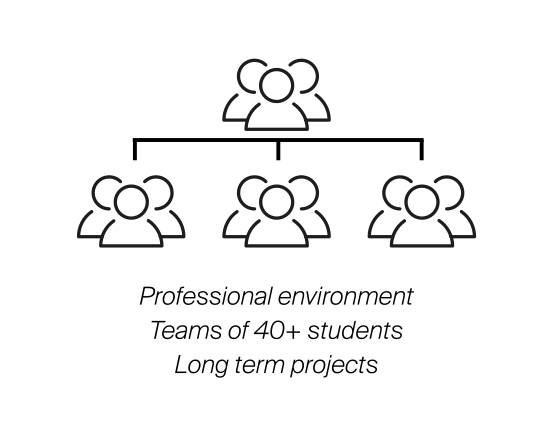
- Human management (organization of 40-100 people) and team dynamics
- Knowledge management and communication
- Entrepreneurial skills (sponsoring, networking, managing stakeholders' expectations)
Each project benefits from the expertise of multiple EPFL laboratories and from the technical coaches of the MAKE network.
The main objectives for students are:
- To put in practice the theory they have seen in courses in a broader project
- Have the opportunity to simulate a professional environment by working in a small organization
Typical timeline
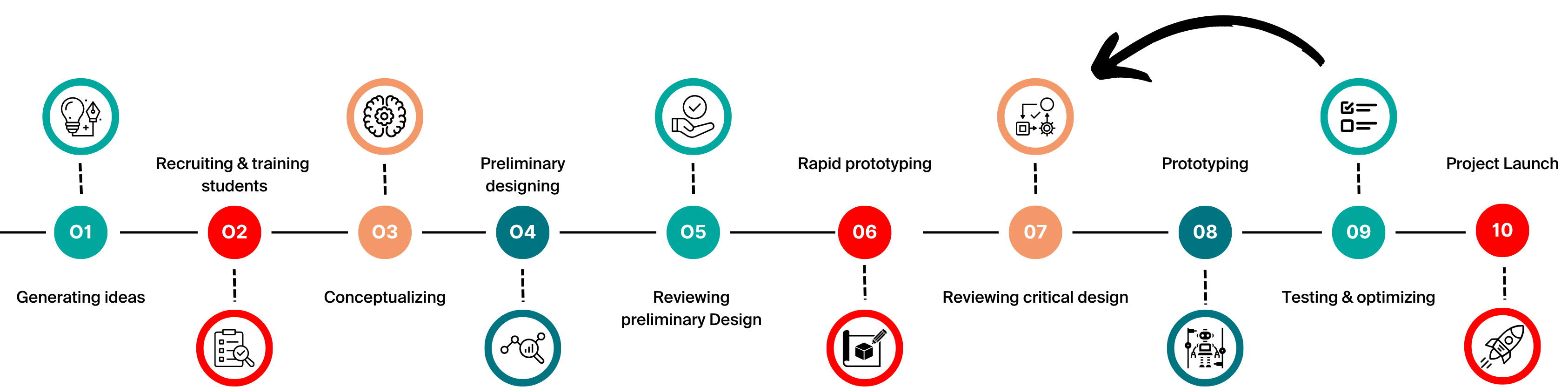
Interdisciplinary projects are usually longer than a single academic semester. Most projects are lasting 20 weeks to a full year. As the projects tend to start a new iteration every year, the students work on documenting the knowledge they acquired. This knowledge is important for the next team to build up on existing experience. Some projects are even multi-year projects ( SP80, rebuiLT, EPFL Spacecraft team ).
Roles and Responsibilities
The key roles identified to successfully run such projects are the following:
- An EPFL Professor : endorsing the academic and pedagogical value of the project, more about the responsibilities of the supervising professors here.
- An academic coordinator : employee of EPFL, the academic coordinator is coaching the students on a weekly basis, more about the responsibilities of the coordinator here.
- Student managers : students play the most important roles in running such complex projects, among the typical roles identified in most projects we find: president/vice-president and treasurer of the student association, sponsoring manager, event and communication managers, technical managers of the whole project and technical managers of sub-systems.
Project examples
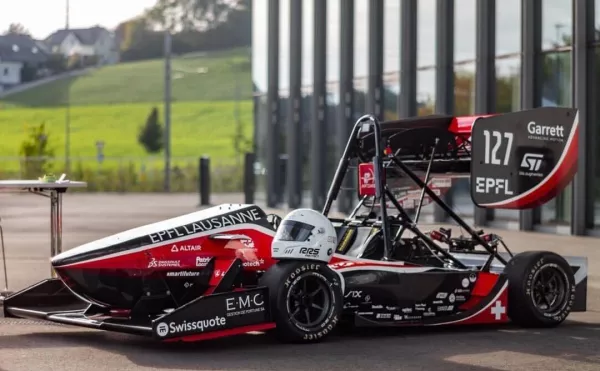
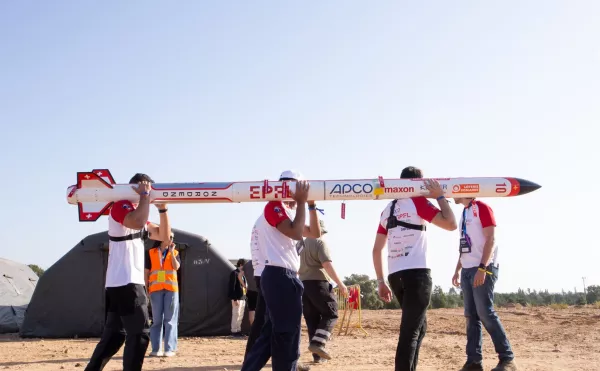
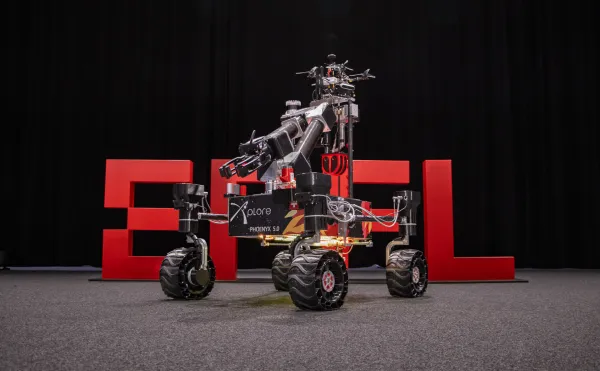
Here under are some highly interdisciplinary MAKE projects: