
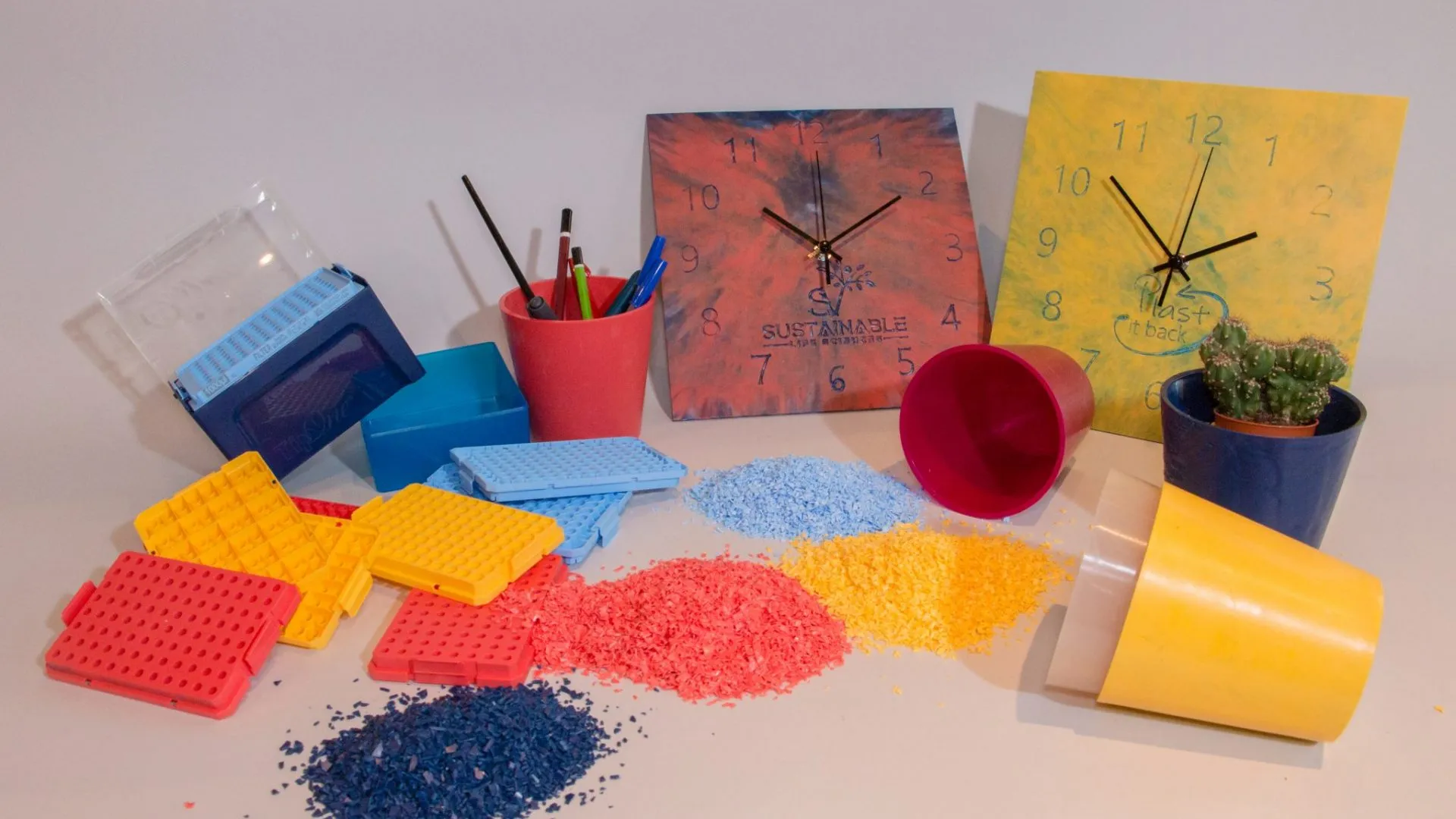
Reduce plastic consumption at EPFL
ReSpool - Project
ReSpool aims at reducing plastic consumption at EPFL. The project will start at a smaller scale by using the SPOT makerspace (2000 users annually and 40'000+ parts printed every year) as a testing ground before trying to impact the wider EPFL campus.
The team has identified two main levers to reduce platic consumnption :
- Identify user behaviour that can lead to oversumption of platic (is 3d printing the right method? Did you desig your part correctly)
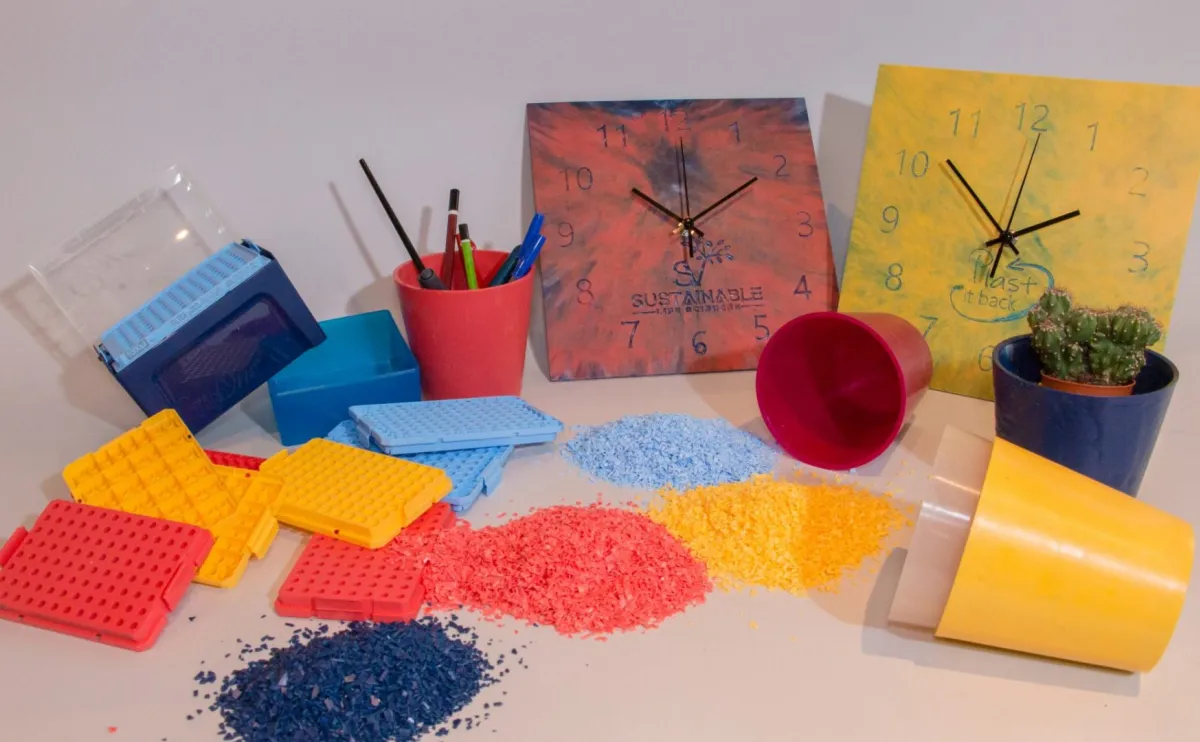
- For waste that was not avoidable, buld a recycling pathway to recreate plastic filament)
Long term (over three years) objectives • Reach a level where the recycling process is reliable enough to become a standardized and transferable protocol that can be adopted by other labs, workshops, and organizations. • Gradually reduce the need for purchasing new commercial filament by increasing trust and adoption of recycled filament. • Ensure that recycled filament is actively used in practice, so that it does not become a “dead stock” or unused material, but a continuously circulating resource. • Potentially develop a decentralized recycling approach through a 3-to-1 type recycling machine or device that could be shared within a wider network. The idea is not necessarily that everyone builds their own machine, but rather to evaluate the environmental and logistical impact of either centralizing or decentralizing recycling (transport, waste volume, e"ciency, etc.), and find the most e!ective balance. • In the long term, assess whether distributed local recycling is more sustainable than centralized processing, depending on waste volumes, material types, and network structure. • Explore how the system can evolve into a scalable infrastructure for circular manufacturing within EPFL and beyond. 7
The Team
Yves Leterrier
- Unit
- Laboratory for Processing of Advanced Composites
Véronique Michaud
- Unit
- Laboratory for Processing of Advanced Composites